Provably Fair Crash Games: How to Verify Transparency in Play
The digital crash game arena, featuring popular titles like Aviator and JetX, has become a cornerstone of the international online gambling scene. As these games have surged in popularity, so too has player demand for transparency and trust. In this environment, the concept of provably fair systems has moved from a technical niche to a mainstream expectation. For the discerning international player, understanding and verifying these systems is no longer optional; it’s a fundamental skill that separates informed participation from blind trust. This guide provides a practical walkthrough of how provably fair technology functions in crash games and offers actionable steps for players to verify the integrity of each round themselves.
At its core, a provably fair system is a cryptographic protocol that allows players to verify that the outcome of each game round was random and was not manipulated by the operator after the bet was placed. Major providers like Spribe, the creators of Aviator, and Smartsoft Gaming, behind JetX, have integrated these systems into their platforms. The process hinges on a chain of cryptographic elements: a server seed, a client seed, and a nonce. Before a round begins, the game server generates a long, random string of characters called the server seed and publishes its cryptographic hash—a unique digital fingerprint. This hash is shared publicly but the original seed remains secret. The player often provides a client seed, or one is generated for them. The combination of these seeds and a nonce (a number that increments with each bet) is fed into a predetermined algorithm to generate the game’s outcome—specifically, the crash point multiplier.
The Role of Hashes and Seeds
The use of a hash is crucial. When you see a “Next Round Hash” displayed on a game like Aviator on platforms such as Stake or BC.Game, you are looking at the future promise of the game’s integrity. Because generating a hash from a seed is a one-way function, it is impossible to reverse-engineer the server seed from the hash. Only after the round concludes is the actual server seed revealed. Players can then take this revealed seed, combine it with the client seed and nonce, and run the same algorithm to reproduce the crash point. If their calculated result matches the game’s result, the round was provably fair.
Breaking Down the Algorithm
The specific algorithm used varies by provider. For instance, Spribe employs a modified Mersenne Twister algorithm for Aviator, while other platforms might use SHA-256 or other industry-standard functions. The key principle is that this algorithm is publicly documented by the game provider. This transparency allows anyone with technical knowledge to audit the process. The entire system is designed so that the crash multiplier is determined at the very moment the betting round closes, locked in by the pre-committed server seed hash, making it impossible for the casino to alter the outcome based on the bets placed.
A Step-by-Step Verification Guide for Players
While the underlying cryptography can seem complex, the verification process for players has been streamlined by most reputable platforms. You do not need to be a programmer to perform a basic check, though having the option to delve deeper is a mark of a trustworthy operator. The first step is always to locate the “Provably Fair” or “Fairness” section within the game interface or the casino’s footer. Brands like Roobet and 1xBet prominently feature these tools for their crash game offerings.
Using Built-in Verifier Tools
The simplest method for most players is to use the in-house verifier provided by the casino or game developer. After a round concludes, you can typically click on a “Verify” button or navigate to a dedicated page. You will be prompted to paste the revealed server seed, your client seed, and the nonce (often just your bet ID). The web tool will then run the calculation and display the generated crash point. This should match exactly what you experienced in the game. Performing this check randomly on past rounds, especially on big wins or losses, is a good habit to cultivate.
Manual Calculation for Advanced Verification
For those seeking the highest level of assurance, manual calculation is the gold standard. This involves using the publicly disclosed algorithm. Providers like Spribe publish their formula and even offer open-source code on platforms like GitHub. To do this, you would take the revealed server seed, your client seed, and the nonce, and input them into a script or a locally run program that executes the exact same algorithm. This method completely removes reliance on the casino’s own verification tool, providing independent confirmation. Engaging with community forums on sites like Reddit or dedicated gambling transparency Discord servers can offer support and shared scripts for this process.
Choosing a Truly Transparent Crash Game Platform
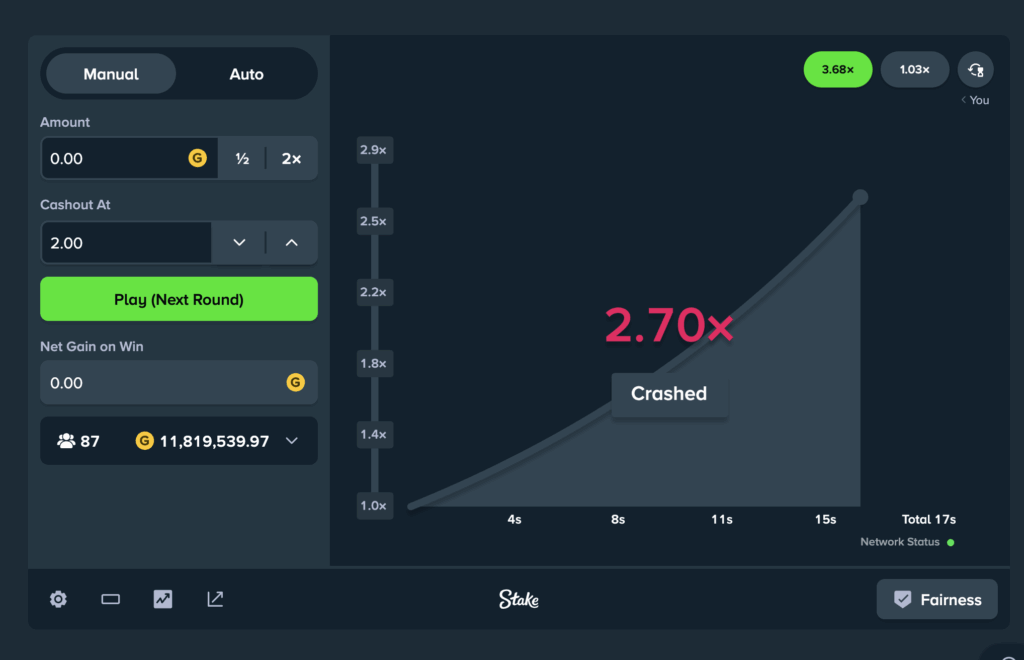
Not all provably fair implementations are created equal. As a player, your first strategy is to select platforms that not only have the technology but also present it with clarity and accessibility. A reputable site will make its fairness documentation easy to find and understand. Look for platforms that partner with known audit firms like iTech Labs or GLI, which provide additional seals of approval for the Random Number Generators (RNGs) used, even within provably fair systems. The presence of such audits, alongside a clean provably fair interface, is a strong positive indicator.
Be wary of platforms where the fairness information is buried, vague, or non-existent. Another practical tip is to test the system with a known outcome. Some sophisticated platforms allow you to input seeds and a nonce to generate a future crash point before it happens, demonstrating the deterministic nature of the system. If a platform refuses to reveal server seeds after a round or obfuscates the process, it is a significant red flag. Your trust should be placed in operators like those powering the popular games on Bitcasino or Sportsbet.io, who have built their reputation on such transparency.
Beyond the Code: The Real-World Impact on Gameplay
Understanding provably fairness should influence your strategic approach beyond mere verification. It reinforces that each round is an independent event. The algorithm has no memory; a game that crashed at 1.2x multiplier is no more or less likely to crash at that point again the next round. This knowledge is a direct counter to the gambler’s fallacy and should inform a disciplined betting strategy. It also empowers you to hold platforms accountable. The ability to publicly verify and challenge a round’s outcome, supported by cryptographic proof, creates a powerful deterrent against malpractice and fosters a healthier ecosystem.
Building a Community of Verified Play
An emerging trend is the communal verification of games. Enthusiasts and streamers in the international scene, such as those broadcasting on Twitch or YouTube, often run verification checks live for their audience. Participating in or observing these sessions can be educational and adds a layer of social proof to the technical process. This collective scrutiny raises the standard for all operators and accelerates the adoption of robust provably fair systems across the industry.
The Limits of Provably Fair Technology
It is critical to understand what provably fair systems do not guarantee. They verify the randomness and pre-commitment of individual round outcomes. They do not ensure that the overall game’s return-to-player (RTP) percentage is as advertised, nor do they guarantee the financial solvency of the operator. They are also separate from the security of your funds or personal data. Therefore, provably fairness is one vital pillar of a trustworthy platform, but it must be accompanied by proper licensing from recognized authorities like the Malta Gaming Authority or the UK Gambling Commission, secure banking, and clear terms of service.
Integrating Verification into Responsible Play
Engaging with the verification process promotes a more mindful and informed approach to gambling. It encourages players to be active participants, understanding the mechanics of the games they play. This awareness naturally aligns with responsible gambling principles. Before placing any bets, ensure you are playing on a licensed platform that uses provably fair systems for its crash games. Set strict deposit and time limits for your sessions, and never chase losses. Remember that while provably fair systems guarantee the fairness of the random outcome, they do not alter the inherent odds of the game. Crash games are high-entertainment, fast-paced products, and should always be played for fun, not as a way to generate income. If you feel your gambling is becoming a problem, seek help immediately from organizations like GamCare or Gamblers Anonymous.

Written by